

Long drives across Australia have a habit of turning every stop into a spending decision. A coffee here, a servo pie there, a quick "we'll just grab something" that quietly becomes four meals for the family. Packing your own food is the simplest fix, and it does not have to mean cold sandwiches for three days straight.
This guide covers what actually travels well in an esky or lunch bag, how to plan meals around long driving days, and where an electric heated lunch box fits into the picture. It is written for families on school holidays, tradies clocking up highway kilometres for work, and anyone doing a big lap or a long weekend run.
Plan Around the Driving Day, Not the Menu
The mistake most people make is planning food they would eat at home. A road trip day looks different. You eat at odd hours, you eat one-handed, and you eat in a car that has been sitting in the sun. Build the plan around that reality instead of fighting it.
Split the food into three jobs: snacks for the passenger seat, cold meals for a rest stop, and something hot for the meal you actually want to sit down for. Snacks stop the "I'm hungry now" servo detour. Cold meals get you through the middle of the day. The hot meal is the one people miss most, and it is the easiest to fix with the right gear.
Snacks That Survive a Hot Car
Anything that melts, squashes or goes soggy is a bad passenger. These options hold up well over a long day on the road and are easy to portion before you leave.
- Trail mix, nuts and seeds
- Popcorn
- Wholegrain crackers and rice cakes, with cheddar cheese or dip
- Hard cheese cubes and olives
- Apple slices with cinnamon
- Banana oat cookies
- Mini snack packs with chips, crackers and savoury bites
- Fresh fruit you can eat without a knife, such as bananas and mandarins
- Biltong or jerky for the salt cravings
- Cruskits with a tin of tuna for a proper mini meal
Buying in bulk and dividing into smaller portions at home costs far less than buying the same snacks at a roadhouse. Keep a small bin bag or a dedicated crumb container in the car so the clean-up does not become a whole afternoon job.
Homemade Snacks Worth the Effort Before You Leave
An hour in the kitchen the day before you go pays off quickly. Banana bread, jelly rolls, homemade fruit roll-ups, white chocolate and raspberry slice, healthy protein bars and Vegemite scrolls all travel better than they sound. Slice them, portion them, and store them in reusable bags or containers so nobody is fighting over the last piece by day two.
Fruit buns, fruit bread and scones are also good candidates for a lighter roadside stop when nobody wants a full meal. Choose wholegrain versions where you can, since they keep you fuller for longer between stops.
Cold Meal Ideas That Beat a Servo Sandwich
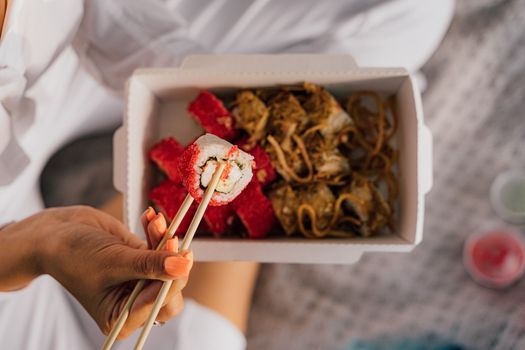
Wraps, sandwiches and rolls are the backbone of road trip lunches, and they are cheap to make in numbers. The trick is packing the wet ingredients separately so nothing turns to mush by midday. Fillings that work well include tuna, chicken, hummus with roasted vegetables, and grated cheese with salad.
If you want something more substantial for dinner at a campsite or motel, a few simple meals cover most trips: a one-pot veggie and pasta dish, grilled ham, cheese and tomato toasties, microwave jacket potatoes, a campfire brekkie skillet, a veggie omelette, or BBQ sausages cooked once and eaten twice.
The Electric Heated Lunch Box: Hot Food Without the Roadhouse Stop
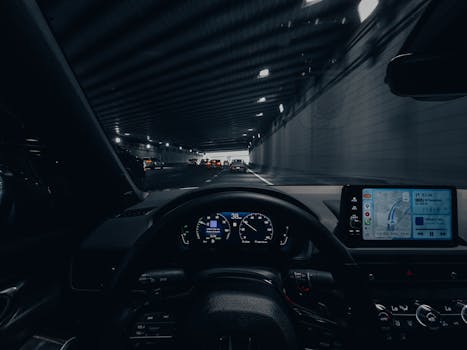
Cold food gets old fast, especially in winter or on a run through the centre where the nearest decent hot meal might be hours away. An electric heated lunch box solves that by plugging into the car or a wall socket and warming your food while you drive or while you settle into camp.
The Kitchly electric heated lunch box comes in two colourways, Green/Grey and White/Grey, and runs on both a 12V car socket and a standard 240V wall plug. That dual setup is what makes it genuinely useful on an Australian trip, because the same unit works on the highway, at a powered caravan site, and back at home in the kitchen.
Using the 12V Mode in the Car
The 12V mode is the one that earns its keep on a driving day. Pack your meal in the morning, plug the unit into the car socket when you set off, and let it warm while the kilometres tick over. Sit the lunch box somewhere it cannot slide around under braking, keep the lid closed, and unplug it before you leave the vehicle.
Heating times vary by model and by how cold the food starts, so check the product listing or the manual for the recommended guidance rather than guessing. Food that has been sitting in an esky all morning will take longer than food packed warm from the stove.
Using 240V at Caravan Parks, Motels and Powered Sites
The 240V plug extends the same hot meal idea to anywhere with a power point. That covers powered caravan sites, holiday park cabins, motel rooms and home. It also means you can prep dinner leftovers the night before, refrigerate them, and have them ready to reheat on the road the next day instead of tipping them out.
What Reheats Well in a Heated Lunch Box
Think saucy, spoonable and sturdy. Curries, stews, soups, casseroles, fried rice, pasta bakes and leftover one-pot veggie pasta all reheat nicely because they hold moisture and heat evenly. Leftover BBQ sausages sliced into a tomato-based sauce work well too.
Some things are better left to a camp kitchen. Toasties, jacket potatoes and a campfire brekkie skillet need a pan or a fire, so keep those for the nights you are set up properly and use the lunch box for the days you are moving.
Matching the Food to the Storage
Getting the packing right is what separates a smooth trip from a boot full of leaking containers. A simple split looks like this:
| Food type | Ideas | How to pack it |
|---|---|---|
| Dry snacks | Trail mix, popcorn, crackers, banana oat cookies | Silicone reusable bags or small containers |
| Fresh and cold items | Cheese cubes, olives, fruit, dips, wraps | Esky with ice bricks, kept out of direct sun |
| Hot meals | Curries, stews, pasta, soup, fried rice | Electric heated lunch box, 12V or 240V |
| Prep on the go | Dips, salsa, chopped salad, sandwich fillings | Manual pull-string chopper and a bento box |
A stainless steel bento lunch box set with an insulated carry bag is a good companion piece for the cold meals, and a set of silicone reusable food storage bags takes care of everything from snacks to marinade. A small pull-string chopper means you can make fresh salad or salsa at a picnic table without dragging out a knife and board.
Packing Tips That Save Time and Mess
- Portion snacks before you leave so nobody digs through a giant bag at 100 km/h.
- Freeze water bottles or ice bricks and use them to keep the esky cold.
- Pack one bag for snacks and one for meals so the boot stays organised.
- Keep a small bin bag, a roll of paper towel and a couple of spare containers in the car.
- Label anything that needs reheating so it goes into the heated lunch box rather than getting eaten cold.
- Restock at supermarkets in bigger towns rather than paying roadhouse prices.
Keeping Food Safe on the Road
Australian summers are unforgiving, and a hot car is not a pantry. Cold food needs to stay cold until you are ready to heat or eat it, which means a properly packed esky, plenty of ice, and no leaving the whole lot in the boot while you do a two-hour walk. If food has been sitting warm for a long stretch, throw it out rather than risking a day of the trip ruined by a bad stomach.
State health departments publish food safety guidance for travelling and camping, so it is worth checking your relevant state authority before a long remote trip, particularly if you are carrying meat, dairy or seafood.
The Takeaway Bill You Avoid
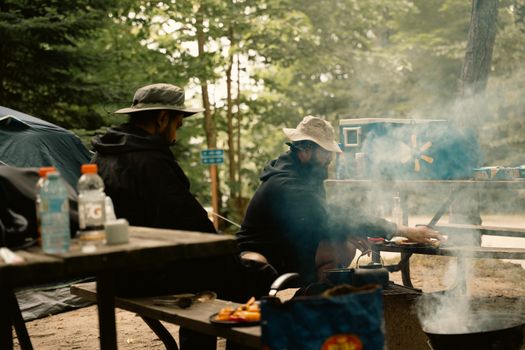
Buying every meal on the road adds up quickly, and it is rarely the food you actually wanted. Cooking a little extra at home and reheating it in a heated lunch box is the cheapest way to eat well on the road, and it usually tastes better than whatever is sitting under a heat lamp at the next stop. It also means you are not planning your whole day around finding a town with a decent takeaway option.
Kitchly ships Australia wide with free delivery, offers a 30-day money-back guarantee, and runs bundle discounts if you want to pair the heated lunch box with storage bags or a bento set. It is Australian stock with Australian support, which matters if you need a question answered before a big trip.
Frequently Asked Questions
Can I use an electric heated lunch box in any car?
It runs off a standard 12V car socket, which covers most cars, utes, vans and four wheel drives. The same unit also takes a 240V wall plug for powered sites, motel rooms and home. Check your vehicle socket works before you leave, and make sure the unit sits somewhere secure so it does not slide around while you drive.
What food should I avoid packing for a long drive?
Skip anything that melts, leaks or turns soggy. Chocolate, soft cheeses in warm conditions, heavily dressed salads and filled sandwiches that sit for hours all cause problems. Stick to sturdy options like trail mix, crackers, hard cheese, fruit, biltong and wraps with wet fillings packed separately until you are ready to eat.
How do I keep food cold until it is time to heat it?
Use an esky with ice bricks or frozen water bottles, keep it out of direct sunlight, and open it as little as possible. If you are heating a meal in the lunch box later, move it straight from the esky to the unit rather than letting it sit in the cabin. Bin anything that has been warm for hours.
Is a heated lunch box worth it for a family road trip?
For families, tradies and long-haul travellers, yes. It turns leftovers into a hot meal without a detour, which cuts takeaway spending and keeps everyone happier on big driving days. Pair it with reusable storage bags and a bento set and you have a complete system for eating well without relying on roadhouse food.