
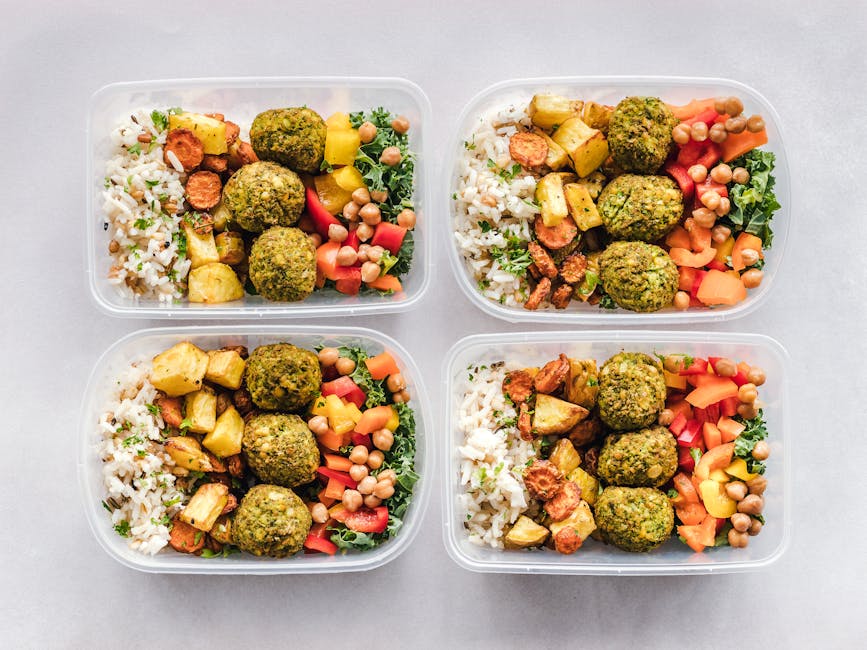
A hot lunch during a workday usually means one of two things: joining the queue for a shared microwave, or handing over money for takeaway. An electric lunch box removes both problems. You cook once at home, pack the meal, switch the box on at work, and eat something hot without leaving the site or the office.
The part most people get wrong is the food itself. Some meals reheat beautifully in a gentle, constant-temperature box and some turn to cardboard. What follows is a set of prep ideas built around how these boxes actually work, plus the timing, packing and storage habits that keep a work lunch worth eating by Thursday.
How an Electric Lunch Box Actually Heats Your Food
Heated lunch boxes sold in Australia generally run on one of three power setups. There are 12V and 24V models that plug into a car, ute or truck socket, 240V AC models that plug into a normal power point, and cordless rechargeable units with a built-in battery. Some are sold as combined 12V/24V/240V units, which means one box can move between the vehicle, the site office and the kitchen bench without a second appliance.
The heating method matters more than the wattage for food quality. These boxes warm food at a constant temperature rather than firing microwave energy at it. Product listings describe constant temperature heating that holds meals between 60°C and 70°C, which helps retain moisture and flavour, and most include overheat protection as a safety feature. A premium cordless model reviewed overseas was quoted as heating between 55°C and 85°C with app control, and its battery delivered roughly one meal's worth of heat.
Give the Box Time to Work
A heated lunch box is not a microwave, and the timing reflects that. A 1L cordless rechargeable model listed online came with a charging time of 3.5 hours and a heating time of 30 to 60 minutes. Switch the box on before your break is due to start rather than when you sit down to eat. Drivers and tradies have an advantage here, because plugging into a 12V socket on the way to site means the heating window happens during travel.
Texture Is the Quiet Advantage
Gentle, even heat is kinder to food than a quick burst in a shared microwave. Sauces stay loose instead of splitting, rice keeps its bite, and meals do not dry out at the edges from being reheated twice. That is why saucy, moist dishes work best in these boxes, while dry and crumbly food tends to disappoint.
Food Prep Ideas That Heat Up Well
Choose meals with moisture, sauce or liquid built in. These are the categories that consistently come out well after a few hours in a bag.
| Meal type | Why it reheats well | Prep note |
|---|---|---|
| Curries and casseroles | Sauce holds moisture and flavour through gentle, constant heat | Cook a double batch and portion it the same night |
| Rice or grain bowls | Grains absorb sauce and stay soft rather than drying out | Add crunchy toppings fresh on the day |
| Pasta bakes | Dense and moist, so edges do not toughen up | Undercook the pasta slightly before baking |
| Soups, dahl and stews | Liquid heats evenly across the whole container | Fill only to the level marked on the bowl |
| Mince dishes, bolognese, chilli | High sauce content, heats through within the usual window | Break the mince up finely so heat spreads evenly |
One-Pot Curries, Casseroles and Stews
These are the safest bet in any heated lunch box. A slow-cooked curry, a beef casserole or a chicken stew carries enough liquid to survive 30 to 60 minutes of warming without drying out. Cook a large batch on the weekend, let it cool, then portion it into containers so weeknight prep becomes a matter of grabbing one from the fridge.
Rice and Grain Bowls
Build these as a hot base with cold finishing touches. Rice, quinoa or couscous sits in the heated compartment with the sauce and protein, while shredded cabbage, cucumber, coriander or crushed peanuts travel separately and go on after heating. That way you get a hot, saucy middle with fresh texture on top instead of a bowl of warm salad.
Pasta Bakes and Noodle Dishes
Pasta bakes, lasagne portions and saucy noodle dishes reheat reliably because they are dense and moist. Undercook the pasta by a minute or two before baking so it does not turn to mush after reheating. Product listings for cordless boxes regularly name noodles and casseroles among the meals they suit, which lines up with what works in practice.
Soups, Dahl and Thick Liquid Meals
Liquid meals heat the most evenly because there is nothing solid to resist the warmth. Pumpkin soup, lentil dahl, minestrone and congee all work well. Fill the container only to the level the manufacturer marks, since overfilling a sealed box that is being heated is asking for a leak in your bag.
What to Keep Out of the Heated Compartment
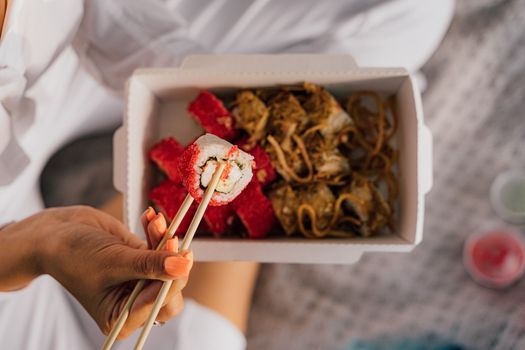
Fresh salads, sandwiches, yoghurt, dips and delicate herbs are better carried cold. Some models are marketed for sandwiches and salads alongside noodles and casseroles, which really means the box can hold cold food in one section while the main compartment heats. Anything you want crisp should not be sitting in the warm half.
A Sunday Prep Routine That Lasts the Week
Two hours on a Sunday can cover four or five work lunches, and none of it needs to be complicated.
Cook Two Bases, Not Five
Pick one protein-heavy dish and one grain or starchy base, then mix and match through the week. A pot of bolognese with rice, pasta and a baked potato base gives you three different lunches from one cook. A tray of roasted vegetables plus a curry covers the vegetarian days without extra effort.
Portion Before You Refrigerate
Scoop meals straight into lunch containers while the pot is still out, then refrigerate. This avoids the midweek scramble where you are ladling hot food at 6am into a cold container. Reusable silicone food storage bags are handy here for components such as chopped vegetables, grated cheese or sauce, since they take up less room in a packed work bag than rigid containers.
Keep Wet and Crunchy Components Separate
Sauce on rice is fine for four days. Sauce on fried shallots or corn chips is not. Pack garnishes, nuts and crisp elements in small bags or a separate compartment and add them after the box has finished heating.
Packing Gear That Speeds Up Prep
A few low-cost tools make weekly prep noticeably faster. A pull-string chopper handles onions, garlic and carrots in seconds without pulling out the food processor, which matters when you are prepping at 9pm. A stainless steel bento lunch box set with an insulated carry bag works for days when you want a cold lunch alongside the heated one. A rotating turntable in the fridge makes the containers you prepped easier to find, which means fewer forgotten lunches at the back of the shelf.
Food Safety Habits Worth Keeping
Heat is not a substitute for basic handling. Cool cooked food before sealing it, refrigerate it promptly, and keep the box in a cooler bag or fridge until you are ready to warm it. A lunch that sat in a warm car all morning is not the same as one that stayed cold. Australian food safety guidance sets out how long perishable food can safely sit in the temperature danger zone, so check the current advice from the relevant authority if you want exact limits for your situation.
Heating should also happen once, shortly before eating. Repeatedly warming and cooling the same meal is where most work lunches go wrong.
Matching the Box to Your Workday
| Workplace | Power setup | Why it suits |
|---|---|---|
| Office desk | 240V AC | Power point at the desk, no battery to manage |
| Tradie on site | 12V or 24V vehicle socket, or 240V if site power is available | Heats during the drive or before the break |
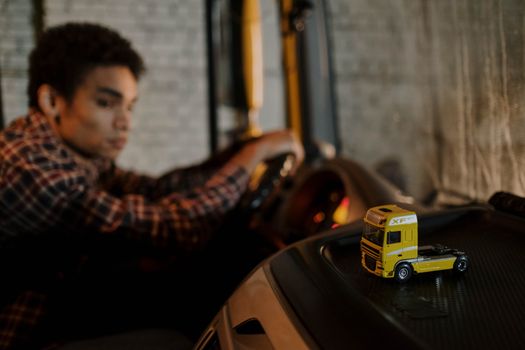
| Truck driver | 12V or 24V | Runs off the vehicle socket with no microwave needed |
| Healthcare shift worker | 240V or cordless rechargeable | Break timing shifts, so cordless gives flexibility |
| Student or traveller | Cordless rechargeable | Heats anywhere, with one charge covering a meal |
Kitchly's flagship heated lunch box is designed around this split between car and kitchen, running on 12V in a vehicle and 240V AC from a power point, and it comes in Green/Grey and White/Grey. If you are stocking up for the week, the silicone food storage bags, bento sets and pull-string choppers pair neatly with it. Free delivery across Australia and a 30-day money-back guarantee make it easier to test the routine for a month and see how much takeaway spending it actually replaces.
Frequently Asked Questions
Are electric lunch boxes any good?
They work well for saucy, moist meals such as curries, casseroles, soups and pasta bakes, which is exactly what most people want to take to work. They are not microwaves, so expect a heating window of roughly 30 to 60 minutes on cordless models. If you want hot food without a microwave queue, they do the job.
Do electric lunch boxes keep food healthy?
The box does not change what is in your lunch. It simply warms it at a constant temperature, with listings describing holding temperatures between 60°C and 70°C, which helps retain moisture and flavour rather than drying food out. Whether the meal is healthy comes down to what you cooked and packed, not the heating method.
How long does an electric lunch box take to heat food?
A 1L cordless rechargeable model listed online quoted a heating time of 30 to 60 minutes after a 3.5 hour charge. Plug-in 12V and 240V models usually reach temperature faster because they are not drawing from a battery. Start the box before your break begins so the food is ready when you are.
Can you use an electric lunch box in a car?
Yes, that is what the 12V and 24V models are built for. They plug into a vehicle socket and warm food while you drive, which suits tradies, truck drivers and anyone working away from a microwave. Check your vehicle socket and the box's plug type match before you rely on it for a full shift.
What foods should you avoid putting in a heated lunch box?
Keep fresh salads, sandwiches, yoghurt, dips and delicate herbs out of the heated compartment and carry them cold or add them afterwards. Deep-fried food loses its crunch, and dry dishes such as plain grilled chicken with no sauce tend to toughen up. Moisture and sauce are your friends here.